
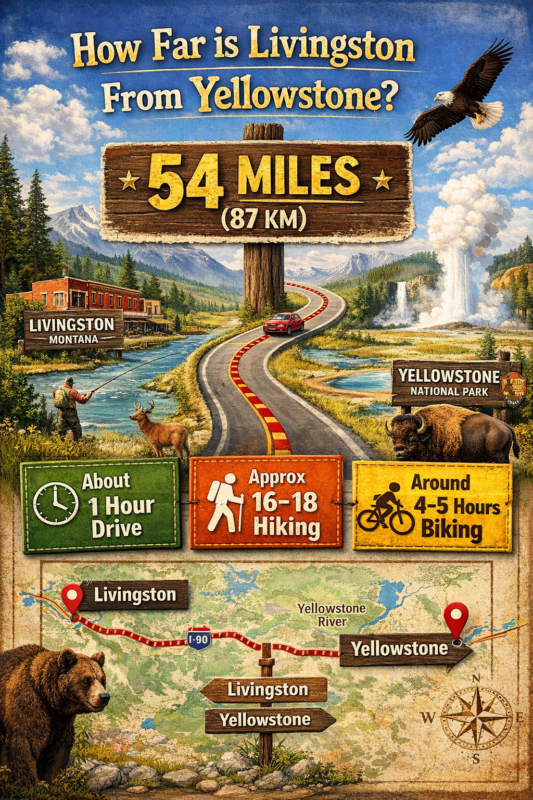
How Far Is It From Livingston To Yellowstone?
Get Livingston Market Reports, Free Every Month
Track home prices, new listings, and inventory trends in Livingston and Paradise Valley — delivered straight to your inbox. No spam, just the numbers you need before you buy or sell.
Sign Up for Free Livingston Market Reports →
If you’re asking How Far Is It From Livingston To Yellowstone for planning a trip to southwest Montana or considering relocating to the area, one of the most common questions you’ll hear is: How far is Livingston from Yellowstone? The answer is simple—but the experience of that drive is anything but. Distance, travel time, scenery, seasonal factors, and lifestyle all play a role in understanding what that journey really looks like.
The Straight Answer: Distance and Drive Time
Livingston sits approximately 54 miles (87 kilometers) from the north entrance of Yellowstone National Park, specifically the historic Roosevelt Arch entrance in Gardiner, Montana.
Browse All Livingston & Paradise Valley Real Estate
Under normal conditions, the drive takes about one hour. However, that estimate can vary depending on:
-
Livingston Mt to Yellowstone North EntranceThe drive from Livingston to Yellowstone’s North Entrance is one of Montana’s most scenic stretches, tracing the iconic US Highway 89 South through the heart of Paradise Valley. Covering approximately 55 miles, the trip takes about an hour, but the views of the towering Absaroka and Gallatin Ranges often tempt travelers to slow down.As you follow the path of the Yellowstone River, you’ll pass through the charming hamlet of Emigrant, a perfect spot to grab a local coffee or soak in nearby hot springs. Keep your eyes peeled for wildlife; it’s common to see elk, deer, and even bald eagles along the riverbanks.The journey culminates in Gardiner, the historic gateway town nestled right against the park boundary. Passing under the famous Roosevelt Arch, you’ll officially enter the park, placing you just minutes from the steaming terraces of Mammoth Hot Springs. It’s an essential, breathtaking prelude to any Yellowstone adventure.
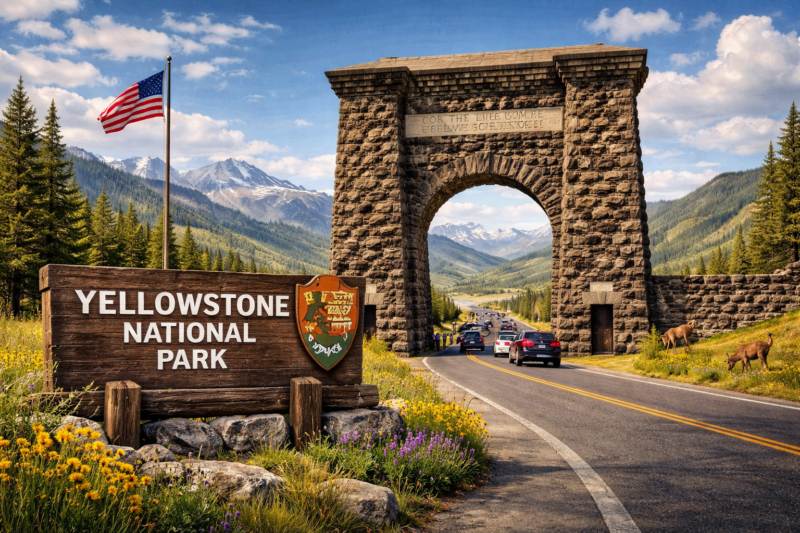
Distance from Livingston to Gardiner MT
-
The drive from Livingston to Gardiner along the YellowstoneRiver is a journey through Montana’s aptly named ParadiseValley.. For roughly 53 miles, US Highway 89 South tracks the river—the longest free-flowing, undammed trout stream in the lower 48.
As you head south, the valley suddenly opens to reveal a stunning panorama: the jagged Absaroka Mountains to the east and the rugged Gallatin Range to the west. A must-see stop is the MallardsRest fishing access, located 13 miles from Livingston, which offers one of the most iconic river views in the state.
The landscape tightens as you enter Yankee Jim canyon, where the river carves through dramatic cliffs. This stretch is a prime spot for spotting bald eagles, elk, and bighorn sheep along the banks. The journey ends at the Roosevelt Arch in Gardiner, the historic gateway where the Yellowstone and Gardner Rivers meet.
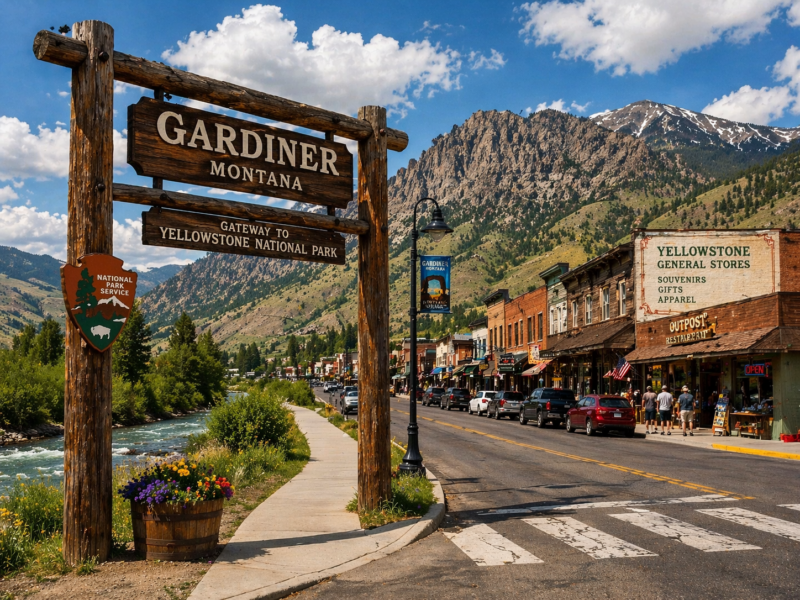
Livingston to Lamar Valley drive time:
- The drive from Livingston to the Lamar Valley typically takes 1 hour and 45 minutes, covering roughly 80 miles. After the scenic 55-minute trek to the North Entrance in Gardiner, you’ll wind through the park toward Mammoth Hot Springs and Tower Junction. Known as the “Serengeti of North America,” Lamar Valley is best reached at dawn or dusk. Factoring in wildlife “jams” and lower park speed limits is essential for your schedule.
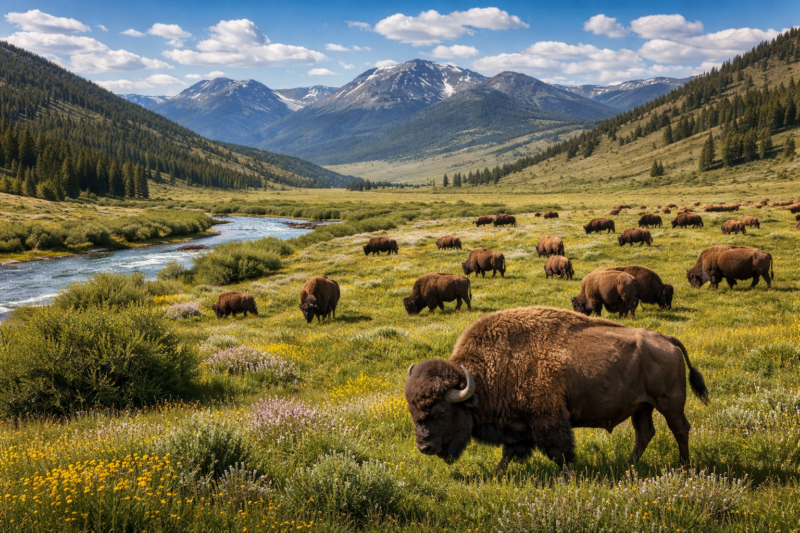
Livingston to Mammoth Hot Springs
-
The drive from Livingston to Mammoth Hot Springs is a 60-mile journey that serves as the ultimate introduction to Yellowstone’s geological wonders. Following US Highway 89 South, you’ll traverse the stunning Paradise Valley, flanked by the Absaroka and Gallatin mountain ranges. This hour-long stretch to the park’s boundary is famous for its wide-open vistas and frequent sightings of elk and osprey along the Yellowstone River.Upon reaching the historic town of Gardiner, you’ll pass through the towering stone Roosevelt Arch. From here, the terrain shifts dramatically as you climb 1,000 feet in elevation over just five miles. This winding mountain road offers breathtaking views of the Gardner River canyon before arriving at the Mammoth Hot Springs terraces. Once there, you can explore the alien-like, travertine formations created by centuries of geothermal activity. It is a spectacular transition from Montana’s lush valleys to the park’s volcanic heart. Even though 54 miles may not sound far, this is not your typical highway commute—it’s a scenic journey through one of the most beautiful valleys in the American West.
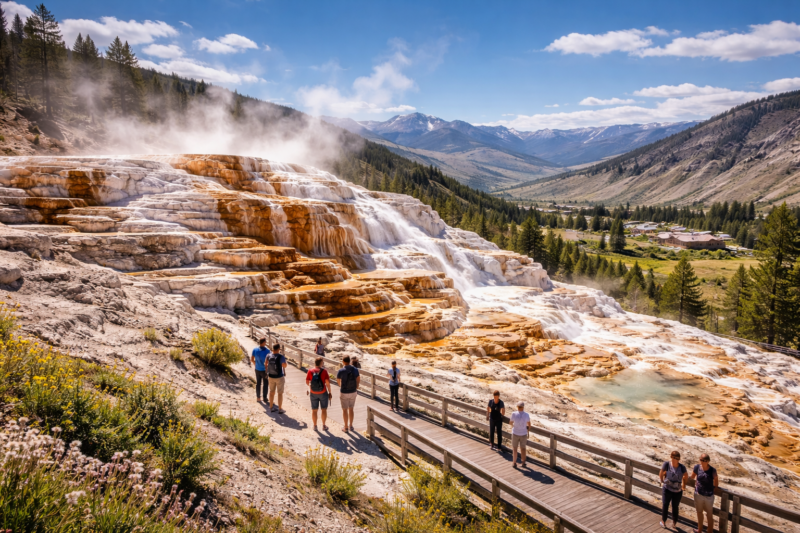
The Route: A Scenic Drive Through Paradise Valley Montana
The drive from Livingston to Yellowstone follows U.S. Highway 89 South, a route widely considered one of the most picturesque in Montana. As you leave Livingston, you’ll quickly find yourself entering Paradise Valley—and the name is no exaggeration.
How Far Is It From Livingston To Yellowstone? What You’ll See Along the Way
This stretch of road runs parallel to the Yellowstone River and is framed by two stunning mountain ranges:
- The Absaroka Range to the east
- The Gallatin Range to the west
Expect sweeping views of:
- Rolling ranchlands
- Snow-capped peaks (even into late spring)
- The winding Yellowstone River
- Wildlife like elk, deer, bald eagles, and occasionally bison
It’s the kind of drive where you’ll want to pull over more than once—so plan extra time if you’re not in a rush.
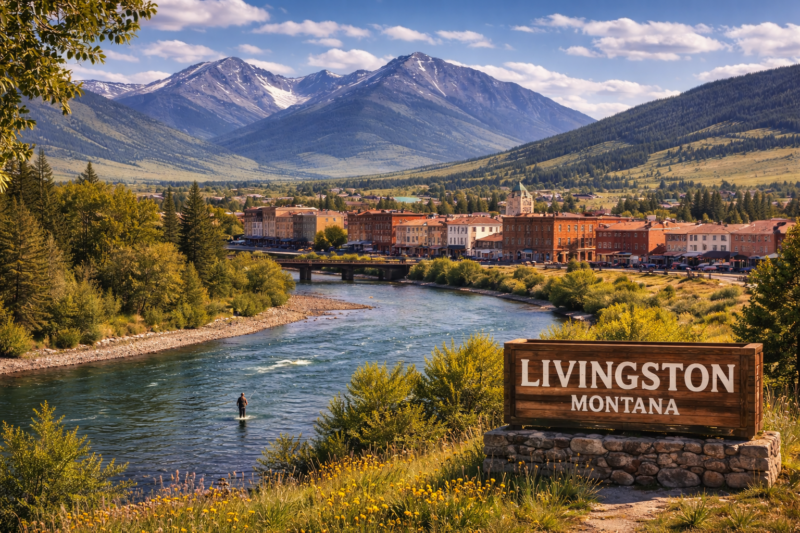
Livingston: The Gateway Town
Livingston isn’t just a starting point—it’s a destination in its own right. Known for its historic downtown, vibrant arts scene, and proximity to outdoor recreation, Livingston offers a different vibe than nearby Bozeman.
Why People Stay in Livingston
Many visitors choose Livingston as a home base for Yellowstone trips because: If your looking for Livingston Montana homes for sale no further!
- It’s typically quieter and less crowded than towns right next to the park
- Lodging can be more affordable
- It offers easy access to both Yellowstone and other regional attractions
Plus, the town has a rich Western heritage, with old saloons, art galleries, and a laid-back atmosphere that appeals to both tourists and locals.
Yellowstone’s North Entrance: A Unique Access Point
The north entrance of Yellowstone National Park, located in Gardiner, is open year-round—making Livingston an especially appealing location.
Why This Entrance Matters
Unlike other entrances to Yellowstone:
- It remains open even in winter
- It provides direct access to Mammoth Hot Springs
- It’s less congested than the West Yellowstone entrance
This makes the Livingston-to-Yellowstone route one of the most reliable and accessible ways to experience the park, regardless of the season.
Seasonal Considerations
While the distance stays the same year-round, travel conditions can change dramatically depending on when you go.
Summer (June–September)
- Peak tourist season
- Expect heavier traffic
- Wildlife sightings are common
- Road construction may cause delays
Despite the crowds, summer offers the easiest and most predictable drive conditions.
Fall (September–October)
- Fewer tourists
- Stunning fall colors in Paradise Valley
- Elk rut season (you may hear bugling!)
This is one of the best times to make the drive if you want a quieter, more scenic experience.
Winter (November–March)
- Snow and ice can slow travel
- Fewer services available along the route
- Unique wildlife viewing opportunities
The north entrance remains open, making Livingston one of the few reliable gateways into Yellowstone during winter.
Spring (April–May)
- Variable weather conditions
- Melting snow can create muddy areas
- Wildlife is very active
Spring is unpredictable but rewarding for those who don’t mind a little adventure.
Travel Options Beyond Driving
While most people drive, there are a few other ways to cover the distance between Livingston and Yellowstone National Park.
Guided Tours
Several local companies offer guided trips from Livingston to Yellowstone. These tours often include:
- Transportation
- A knowledgeable guide
- Stops at key landmarks
This is a great option if you want to relax and learn more about the area without worrying about navigation.
Biking
For the truly adventurous, biking the 54-mile route is possible—but challenging. The road has narrow shoulders in places, and weather conditions can change quickly.
Hiking
While you can’t hike directly along the highway route, there are countless trails in Paradise Valley and Yellowstone that allow you to experience the landscape on foot.
Real Estate Perspective: Why Distance Matters
If you’re considering buying property in the area, the proximity of Livingston to Yellowstone National Park is a major selling point.
Benefits for Homeowners and Investors
- Strong vacation rental potential
- Easy access to world-class recreation
- Increasing demand for homes near Yellowstone
Paradise Valley, in particular, has become highly desirable for those seeking privacy, views, and river access—all within an hour of the park.
Wildlife and Safety on the Route
One thing that sets this drive apart is the presence of wildlife. It’s not uncommon to encounter:
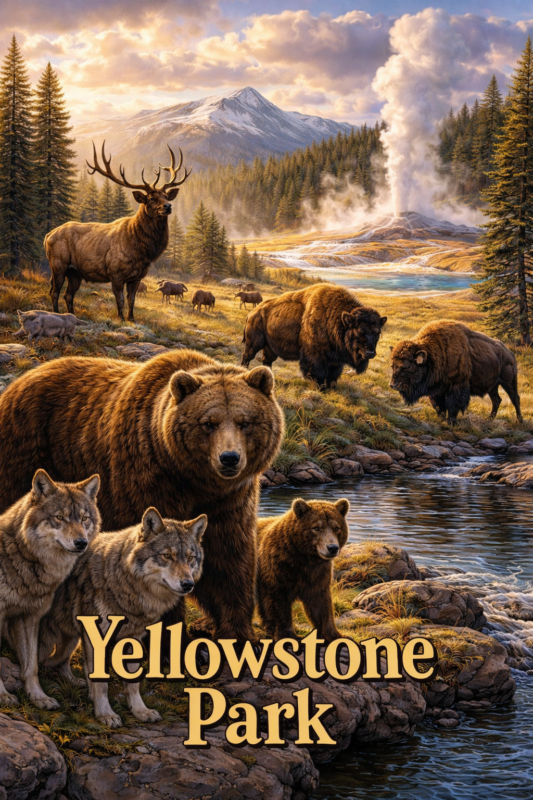
- Bison crossing the road
- Elk grazing near the highway
- Deer darting across lanes
Tips for Safe Travel
- Drive cautiously, especially at dawn and dusk
- Reduce speed in wildlife corridors
- Always keep a safe distance from animals
Remember, you’re traveling through their habitat.
Gas, Food, and Stops Along the Way
Between Livingston and Yellowstone, services are somewhat limited—but there are a few notable stops.
Key Places to Know
- Emigrant: Small shops, cafes, and gas
- Pray: Lodges and access to Chico Hot Springs
- Gardiner: Full services before entering the park
It’s always a good idea to fuel up in Livingston before heading south.
Why the Distance Feels Shorter (or Longer)
Interestingly, the 54-mile drive can feel very different depending on your mindset.
It Feels Shorter When:
- You’re enjoying the scenery
- Wildlife sightings keep things exciting
- Traffic is light
It Feels Longer When:
- You’re stuck behind slow-moving vehicles
- Weather conditions are poor
- You’re in a hurry
In most cases, though, people find the drive enjoyable enough that the time passes quickly.
Comparing Livingston to Other Gateway Towns
You might wonder how Livingston compares to other Yellowstone access points.
Livingston vs. West Yellowstone
- West Yellowstone is closer to major geyser basins
- Livingston offers a more authentic Montana feel
- The drive from Livingston is more scenic
Livingston vs. Bozeman
- Bozeman is about 90 miles from Yellowstone
- Livingston is significantly closer
- Livingston tends to be less crowded and more affordable
For many, Livingston strikes the perfect balance between accessibility and lifestyle.
Final Thoughts: More Than Just a Distance
So, how far is Livingston from Yellowstone? On paper, it’s about 54 miles and roughly one hour. But in reality, it’s much more than that.
It’s a journey through Paradise Valley.
It’s a front-row seat to Montana’s wildlife and landscapes.
It’s a daily drive for some—and a once-in-a-lifetime experience for others.
Whether you’re visiting for a weekend, planning a longer stay, or considering a move, the proximity of Livingston to Yellowstone National Park is one of the region’s biggest advantages.
And once you make that drive, you’ll realize the real answer isn’t just about miles—it’s about everything you experience along the way. Browse homes for sale in Livingston Montana with mountain views, Yellowstone River access, and proximity to Yellowstone National Park

To our friends and other foodies, we serve delicious barbecue. You can order takeout, have us cater your event, or just grab a seat.
Going to tournaments and competing with the other top pitmasters’ BBQ is something else we enjoy doing.
This is great! Glad to check this out. Upholstery Cleaning Services
Their casual atmosphere couldn’t be more transporting – it’s like you’re right there in the Australian Outback.
Really solid information, the sort I wish I’d had when I started out as a drywall contractor.
Thanks for sharing this helpful guide, really appreciate the clear details and practical tips!
Came up first when I searched for a Western adventure and rightly so.
Sharing with a friend who’s been asking about Western properties.
Reading this on a break between jobs — spot on for anyone in the real estate market.
Helpful guide for anyone considering Livingston as a base for visiting Yellowstone. Understanding travel times and the surrounding area makes planning much easier. Local knowledge is just as useful when searching for housing, especially when working with experienced.
Exactly the kind of straight answer I try to give. Looks like a dream living out there.