
Owning a West Yellowstone Vacation Rental in Winter: Income, Costs & Rules
By Jean White & Britney White, REALTORS® | Berkshire Hathaway HomeServices Montana Properties | BozemanRealEstate.com
Owning a West Yellowstone vacation rental in winter earns money twice a year. Most gateway towns make their income in summer and go quiet when the snow falls. West Yellowstone works differently. When Yellowstone National Park closes to cars in November, the town’s West Entrance becomes one of the main ways into the park for snowmobile and snow coach tours. That creates a second, sharper rental season in the middle of winter. If you’re thinking about buying a vacation home in West Yellowstone, this guide covers what winter means for income, what it costs to own here when temperatures drop below zero, and which licensing rules you need to understand before you write an offer.
Get West Yellowstone Market Reports, Free Every Month
Track home prices, new listings, and inventory trends in West Yellowstone and Southwest Montana, delivered straight to your inbox. No spam, just the numbers you need before you buy or sell.
Sign Up for Free West Yellowstone Market Reports →
Why a West Yellowstone Vacation Rental Has Two Peak Seasons
Most buyers already know summer. From late spring through early fall, millions of park visitors pass through the West Entrance. Lodging in town fills up, and nightly rates climb. Few buyers understand winter until they’ve seen it.
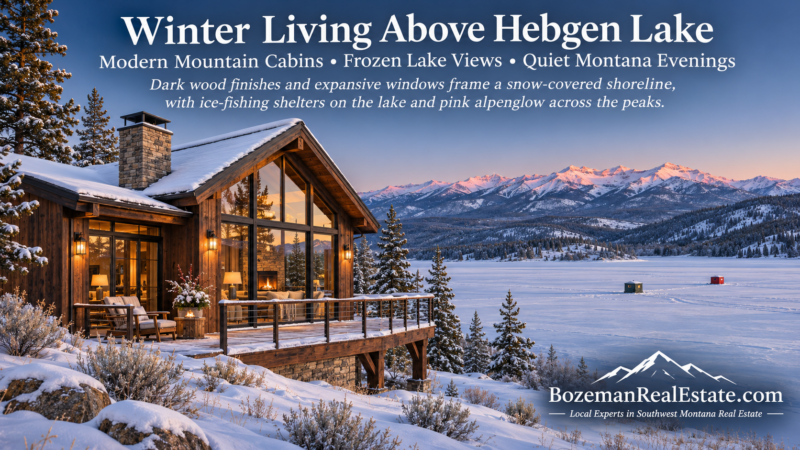
From mid-December through mid-March, West Yellowstone becomes a winter recreation base. Visitors come for guided snowmobile and snow coach trips into the park, the groomed trail system on the surrounding national forest, cross-country skiing on the Rendezvous Trails, and ice fishing on Hebgen Lake. Our guide to winter in West Yellowstone covers the full lifestyle side. For an investor, the point is simpler: the calendar has two money-making windows instead of one.
The months between the two peaks are what matters for underwriting. Late October through mid-December and April through May are quiet. Buyers who budget around their best summer month, rather than a blended annual figure, usually end up disappointed.

What Winter Means for West Yellowstone Vacation Rental Income
The December 15 Starting Line
Yellowstone’s winter season has a fixed start date. For the 2026–2027 season, the National Park Service lists the West Entrance and most groomed park roads as open to over snow travel from December 15, 2026 through March 15, 2027, subject to weather. Before that date, regular cars can’t drive into the park from West Yellowstone, and winter demand hasn’t started yet. Our post on when snowmobile season starts in West Yellowstone explains how the trail and park openings line up.
For a West Yellowstone short-term rental, that gives you roughly a 13-week winter booking window. The holiday weeks around Christmas and New Year’s and the Presidents’ Day weekend typically book first and at the highest rates.
Who Rents in Winter
Winter guests are not the same as summer guests. Winter renters tend to be:
- Groups of snowmobilers who need trailer parking and a heated garage or covered space for their sleds
- Families booking guided snow coach trips to Old Faithful (about 30 miles inside the park; see how far West Yellowstone is from Old Faithful)
- Cross-country skiers and Nordic racers, especially around early-season training camps and spring race events
- Ice anglers heading to Hebgen Lake
Properties that suit these guests win in winter. Look for plowed off-street parking that fits a truck and trailer, a mudroom or boot-drying space, a hot tub, and reliable heat. A cabin that’s charming in July but has a steep, unplowed driveway will sit empty in January.
Winter Occupancy Reality Check
Short-term rental data firm Air DNA tracked about 450 active short-term rental listings in West Yellowstone across Airbnb, Vrbo, and Booking.com as of August 2026. That was down about a third from a year earlier, with annual occupancy around 61%. Fewer listings can help the owners who remain. Even so, plan for winter occupancy below summer levels, and underwrite your West Yellowstone vacation rental on a full-year blended number.
West Yellowstone Real Estate Market: What Vacation Rental Buyers Are Paying (Fall 2026)
West Yellowstone is boxed in by national forest and national park land, so the town can’t grow outward. That limits supply and keeps prices high for a town of roughly 1,400 year-round residents. As of fall 2026:
- Median list price: approximately $1.09 million
- Median price per square foot: roughly $395–$405
- Active listings: roughly 20–35 homes, depending on the week
- Days on market: around 140 days, noticeably longer than a year ago
Longer days on market are the opportunity for winter buyers. Fewer buyers tour in the snow, and sellers who have carried a listing since summer are often more willing to negotiate. For a deeper breakdown, see our West Yellowstone real estate market report and the complete West Yellowstone homes and living guide.
Market statistics and data referenced in this article are sourced from realtor.com and Big Sky MLS. Short-term rental listing and occupancy figures are from Air DNA. Figures are subject to change and should be independently verified for time-sensitive decisions.

The Winter Cost of Owning a West Yellowstone Vacation Rental
At 6,660 feet, West Yellowstone is one of the coldest towns in the lower 48. Winter adds real line items to your budget. We take a similar approach in the true cost of owning a home in Big Sky, and West Yellowstone deserves the same honest math.
Snow Removal and Roof Snow Load
Plan for a seasonal plowing contract for the driveway and parking area. Guests can’t check in if they can’t park. Many properties also need roof snow removal during heavy winters, especially older cabins with lower-pitched roofs. Ask for the home’s roof history and any snow-load repairs during your inspection period.
Heating and Freeze Protection
Subzero nights are routine from December through February. Budget for higher propane, natural gas, or electric costs. Install remote temperature and water-leak monitoring, because a frozen pipe in a vacant week can become a five-figure claim. Heat tape, insulated crawlspaces, and a low-temperature alarm are standard on well-run West Yellowstone rentals.
Insurance
A standard homeowner’s policy usually does not cover nightly rental use. Expect to need a short-term rental or commercial dwelling policy. Get quotes before you’re under contract, since premiums can vary widely by property age, heating type, and distance to a fire station.
Property Management and Turnovers
Most out-of-area owners hire a local manager. Management fees, cleaning crews, linens, and snow-season turnovers (wet gear, salt, and sand tracked in) all add to costs. Ask managers how they staff winter turnovers. The labor pool is smaller in the off-season.
Lodging and Resort Taxes
Montana charges lodging taxes on stays under 30 days, and the Town of West Yellowstone collects a local resort tax. Your manager or booking platform may handle part of this, but the license holder is responsible. Confirm current rates with your CPA before you build a pro forma.

West Yellowstone Short-Term Rental Rules and Licensing
Buyers most often skip this step, and it’s the most important one. Here are the basics, but always confirm current rules with the town and your attorney before you buy.
Town business license. The Town of West Yellowstone requires a business license for every nightly rental, regardless of location or ownership. The town updated its business license code in 2026 (Ordinance No. 282). The application can require a zoning permit with a parking plan, fire and health inspection documentation, and signatures from both the operator and the property owner. Licenses run on a June 1 to May 31 year, and a new rental that collects resort tax must post a resort tax bond. Start with the town’s business licensing page.
Zoning matters. Nightly rental use is not allowed everywhere. Several sources report that non-owner-occupied nightly rentals are restricted in the Madison Addition, the town’s main residential neighborhood. Verify the zoning of any specific lot with the town’s planning office before you count on rental income.
State licensing. Montana also requires short-term rental operators to hold a Public Accommodation License through the Montana Department of Public Health and Human Services, which includes local health department review.
Outside town limits. Properties near Hebgen Lake and in subdivisions outside the town fall under Gallatin County rules and, in many cases, private HOA covenants. Some covenants limit or prohibit nightly rentals. Ask for the CC&Rs early.
Where to Buy a West Yellowstone Vacation Rental: In Town vs. Hebgen Lake
In town. Walkability to restaurants, snowmobile rental shops, and the West Entrance is a strong selling point for winter guests who don’t want to drive in the snow. In-town lots are smaller and zoning rules apply. Fisherman’s Village and other in-town and edge-of-town pockets offer some of the more affordable entry points. Browse West Yellowstone neighborhoods to compare.
Hebgen Lake area. About 10 to 15 minutes north of town, Hebgen Lake, Hebgen Lake Estates, and Bear Trap Ranch offer bigger lots, lake and mountain views, and room for trailers. Winter access is the key question. Confirm whether the road is county-maintained or privately plowed, and who pays.
Aspen Hills and the edges of town. Aspen Hills and similar areas mix quieter settings with a short drive into town. They can suit owners who split time between personal use and rentals.
Many buyers love a classic log home here. Our West Yellowstone cabins and log homes buyer’s guide covers what to inspect in older log construction, which matters even more in a snowy climate.
Tips for Buying a West Yellowstone Vacation Rental This Winter
- Tour in the snow. A winter showing tells you how the driveway, roof, and heating actually perform. Summer walkthroughs hide those problems.
- Ask for real rental history. Request at least two years of booking data and owner statements, broken out by month, not just annual gross.
- Confirm licensing before you’re under contract. Check whether the current license and resort tax account are in good standing, and what the town requires from a new owner.
- Underwrite conservatively. Use blended annual occupancy and subtract winter-specific costs: plowing, heat, and freeze protection.
- Line up financing early. Second-home and investment loans have different rules than a primary residence. Our Bozeman mortgage rates guide explains how rate shifts affect your payment.
- Compare markets. If you’re also weighing a ski-town rental, our investing in Bozeman real estate and ski-in/ski-out properties in Big Sky guides show how other Southwest Montana rental markets compare.
Thinking about living here part of the year instead? Read living in West Yellowstone year-round, or compare another Yellowstone gateway town in living in Gardiner, MT. For the bigger regional picture, see our Southwest Montana real estate guide.

Frequently Asked Questions
Is a West Yellowstone vacation rental a good investment?
It can be, for buyers who underwrite carefully. West Yellowstone has two rental peaks, summer park traffic and winter snowmobile season, which gives it more earning weeks than many gateway towns. High purchase prices, quiet shoulder seasons, and winter operating costs mean returns depend on the property, the location, and whether nightly rentals are allowed on that lot.
When does winter rental season start in West Yellowstone?
Winter demand starts when Yellowstone opens to over snow travel. For 2026–2027, the West Entrance opens to snowmobiles and snow coaches on December 15, 2026 and runs through March 15, 2027, subject to weather.
Do I need a license to run a short-term rental in West Yellowstone?
Yes. The Town of West Yellowstone requires a business license for every nightly rental, and Montana requires a Public Accommodation License. Zoning, parking, fire and health inspections, and resort tax requirements may also apply.
Are short-term rentals allowed everywhere in West Yellowstone?
No. Nightly rental use depends on zoning, and the Madison Addition has been reported to restrict non-owner-occupied nightly rentals. Properties outside town limits may be limited by HOA covenants. Always verify a specific property before buying.
How much does a home in West Yellowstone cost?
As of fall 2026, the median list price in West Yellowstone is approximately $1.09 million, at roughly $395 to $405 per square foot. Prices vary widely between in-town homes, Hebgen Lake properties, and land.
What are the biggest winter costs of owning a West Yellowstone vacation rental?
The largest winter costs are snow plowing and roof snow removal, heating, freeze protection and monitoring, short-term rental insurance, and winter cleaning and turnover labor. Lodging and resort taxes also apply to stays under 30 days.
Is winter a good time to buy in West Yellowstone?
Often, yes. Fewer buyers tour in the snow, and listings have been staying on the market longer in 2026. That can give buyers more room to negotiate, and a winter showing shows how the property handles snow and cold.
Stay Ahead of the West Yellowstone Market
West Yellowstone’s inventory is tight and prices move fast when the right home hits the market. Sign up for free monthly West Yellowstone real estate reports and be the first to know about new listings, price shifts, and market trends before they hit the headlines.
Sign Up for Free West Yellowstone Market Reports →
Ready to talk through a specific property? Contact Jean & Britney or start with our buyer’s guide.
Bozeman Chamber → bozemanchamber.com
West Yellowstone Chamber → destinationyellowstone.com
Stay Ahead of the West Yellowstone Market → West Yellowstone Homes for Sale

Homes For Sale In West Yellowstone MT
Leave a Reply